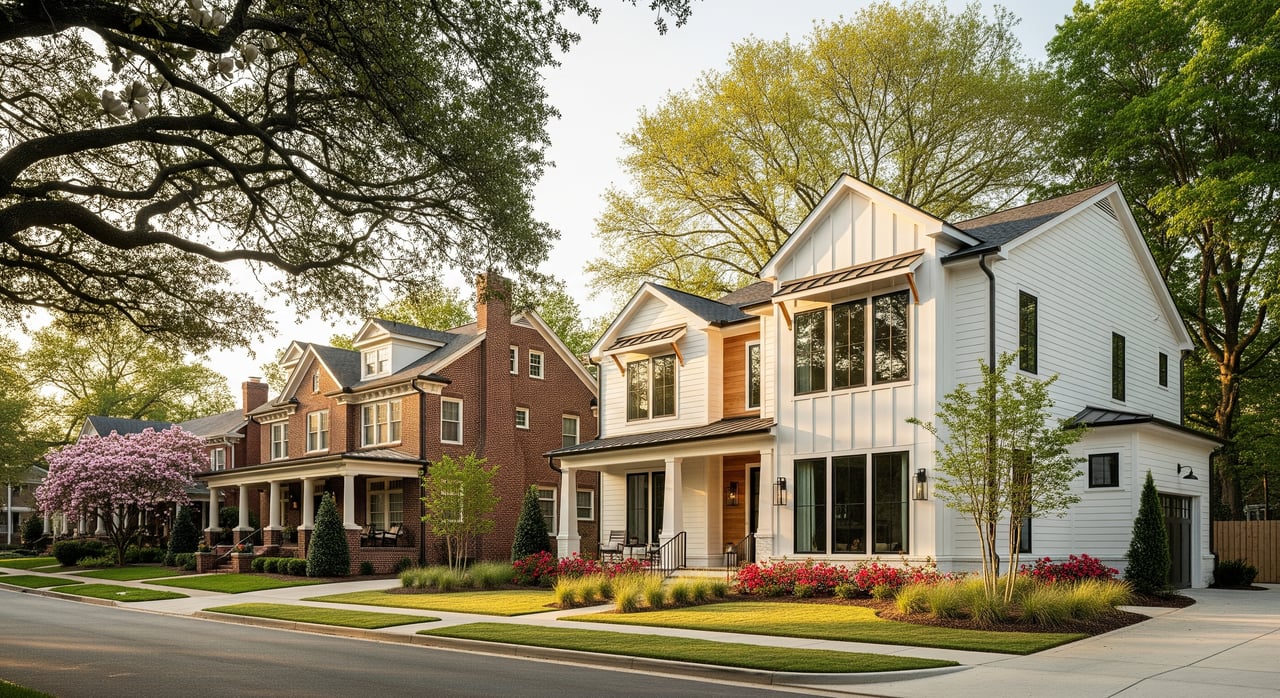
Thinking about building new or buying a resale in Apex? It is a big decision, and the right choice depends on your budget, timing, and long-term plans. You want a clear picture of costs, timelines, inspections, HOA rules, and resale value before you commit. This guide walks you through the tradeoffs specific to Apex so you can move forward with confidence. Let’s dive in.
New vs resale at a glance
| Factor | New Construction | Resale |
|---|---|---|
| Price & total cost | Base price plus lot premiums, structural options, and design upgrades raise the final price | List price includes existing finishes; renovation costs vary by scope |
| Incentives | Builders may offer credits, rate buydowns, or upgrades, often tied to preferred lenders | Negotiate price, repairs, and credits based on condition and comps |
| Timeline | Inventory homes can be quick; to-be-built often 4–12 months, with possible delays | Typical closing in 30–45 days, depending on financing |
| Inspections | Stage inspections: pre-drywall and final; plan an 11-month inspection for warranty | Full home inspection; add specialty checks as needed |
| Warranty | Builder workmanship, systems, and structural coverage by term | No default warranty unless purchased or provided by seller |
| HOA | Often new HOAs with amenities and developer control early on | Established HOAs with owner control and history |
| Customization | Choose layout and finishes within builder’s catalog | Limited to post-close renovations |
Total cost in Apex: go beyond the sticker price
In Apex, the base price of a new home is only the starting point. Lot premiums, structural choices, and design center selections can raise the final price more than you expect. Some communities also collect initial HOA capital contributions or special assessments for amenities.
Resale homes usually include all existing finishes and landscaping at the list price. You may plan updates after closing, but those costs can be paced over time and may be lower than equivalent builder upgrades, depending on the scope.
Use a true-cost worksheet before you compare offers. Include:
- Base price plus a realistic upgrade budget
- Lot premium and any site work, landscaping, or driveway costs
- Closing costs and any lender requirements tied to builder incentives
- HOA dues, one-time capital contributions, and any special assessments
- Estimated Wake County property taxes based on assessed value
Incentives and negotiation: how to compare apples to apples
Builders in Apex and greater Wake County often use incentives to keep sales moving when inventory rises or interest rates shift. You may see closing cost credits, design center allowances, temporary rate buydowns, or discounts on certain lots. Many of these offers require you to use a preferred lender or closing attorney, which can limit your options.
On resales, you negotiate against market comparables and inspection findings. You can ask for price reductions, seller-paid closing costs, or repair credits. Your leverage depends on inventory and demand in your price point and neighborhood.
Tips to compare value:
- Translate incentives into a dollar amount and weigh any lender restrictions.
- A smaller credit with no lender requirement can beat a larger incentive that locks you into higher fees.
- For to-be-built homes, get upgrade inclusions, lot selection, and timelines in writing.
Timeline and move planning in Apex
New construction timelines vary by type. Inventory or spec homes can be move-in ready or within a few weeks. To-be-built production homes commonly take 4–12 months, and custom plans can run longer. Weather, permitting, and supply chain delays are common, so completion dates are estimates.
Resale purchases typically close within 30–45 days. If you need to move quickly, resales or true inventory homes are often the fastest path.
If you are building, consider interim housing, a lease-back, or a flexible rental in case of delays. Also, talk with your lender about the timing and cost of rate locks, extensions, and float-down options.
Inspections and quality control: different paths, same goal
Even brand-new homes need independent inspections. Plan a pre-drywall inspection to review framing, electrical, plumbing, and HVAC before walls are closed. Schedule a final inspection before the builder’s walk-through. Many buyers also plan an 11-month inspection before the end of the workmanship warranty to catch items while coverage is still active.
For resale homes, a comprehensive home inspection is standard practice. Depending on age and features, add specialty inspections such as termite and pest, radon, or sewer line scopes.
Always verify permits. For new homes, confirm a Certificate of Occupancy. For resales, make sure any additions or major renovations were permitted and closed out properly.
Warranty and post-closing remedies
Most builders provide tiered warranties. You often see workmanship and finishes covered for one year, systems like HVAC, plumbing, and electrical for two years, and major structural components for up to ten years, sometimes through third-party providers. Terms vary by builder, so read the documents and keep clear records of punch lists and communications.
Resale homes do not come with a default warranty. You can purchase a home warranty or request one in negotiations. Coverage usually applies to certain systems and appliances for one year and varies by provider.
Plan to submit warranty claims in writing and track timelines. If you build, set a reminder for your 11-month inspection to capture warrantable items.
HOA expectations and governance in Apex communities
Many new Apex subdivisions have active HOAs, especially when amenities like pools, clubhouses, and trails are included. Early in a community’s life, the developer typically controls the HOA until a set percentage of homes are sold and turnover occurs. During this phase, budgets, rules, and design approvals run through the developer.
Dues in new communities may be higher at first to fund amenities and reserves. Review the governing documents, budget, and any available reserve studies. Special assessments can occur if reserves are low or major projects are planned.
In established neighborhoods, HOAs are often owner-controlled with meeting minutes and budget history you can review. This history can help you gauge predictability of dues and assessments.
Request these items early:
- CC&Rs, bylaws, and architectural guidelines
- Current budget, reserve information, and recent meeting minutes
- Any transition plan from developer to homeowner control
Long-term value and resale outlook
Apex benefits from proximity to Research Triangle Park jobs, steady population growth, and strong commuter access. Over time, appreciation is influenced by location within Apex, lot quality, nearby amenities, and school assignments through Wake County Public Schools.
New homes can command a premium for modern layouts and energy features. That premium can compress if a lot of similar new homes are built nearby or if the market cools. Your lot choice, layout, and finishes matter.
Resales in well-established neighborhoods may show steady performance when the community identity is strong and HOA and maintenance histories are predictable. As with any home, values shift with interest rates and local supply. Plan with a 5–10 year horizon if you can, and evaluate neighborhood-level trends and comparable sales.
Renovations vs builder upgrades
Builder upgrades are convenient and financed into your mortgage, but they can be pricier than hiring third-party contractors after closing. On the other hand, doing work after you move in means living through a project and paying out of pocket.
A practical approach is to keep structural choices and layout decisions with the builder, then price aesthetic upgrades after closing if you can. Items like lighting, cabinet hardware, simple trim, or closet systems are often more cost-effective later. Structural changes, rough-ins, and anything behind the walls are usually best handled during construction.
Action checklist for Apex buyers
Budget and true cost
- Add base price, upgrade budget, and lot premium
- Include landscaping, driveway, and site costs if applicable
- Estimate HOA dues and any special or capital assessments
- Check Wake County tax assessments for similar homes
- Compare closing costs, and note lender restrictions for incentives
Timeline and contingencies
- Set a target move-in date and backup plan
- Arrange interim housing if building
- Plan your rate lock and know extension costs
Inspections and quality control
- New build: schedule pre-drywall and final inspections
- Plan an 11-month inspection for warranty items
- Resale: order a full home inspection and specialty checks
Warranties and documentation
- Get full builder warranty terms and claims process
- For resale, consider a home warranty and review seller disclosures
- Keep punch lists and all communication records
HOA and governance
- Request CC&Rs, bylaws, budget, reserve info, and meeting minutes
- Confirm any developer-to-owner control transition timeline
Community and schools
- Verify school assignments through Wake County Public Schools
- Visit at various times of day and note traffic and future development
Energy and systems
- Ask for energy ratings, insulation, HVAC specs, and smart-home features
- Review appliance and system warranties
Resale prospects
- Study comparable sales in the neighborhood and nearby new communities
- Consider lot orientation, streetscape, and full build-out of nearby tracts
Representation
- Bring your own buyer’s agent when touring builder communities
- Have your agent compare incentives and negotiate terms in writing
Legal and permitting checks
- Verify Certificate of Occupancy on new homes
- Confirm permits for past work on resales and review easements and utilities
How a local agent adds value in Apex
When you walk into a builder model, the on-site team represents the builder. Your own agent advocates only for you. A local Apex agent can compare incentives across communities, translate upgrade menus into real costs, and structure timelines and contingencies that protect your move. For resales, the same guidance applies to pricing, inspections, and repair negotiations.
If you are weighing new construction against resale, bring your goals and budget to a strategy session. Together you can line up side-by-side numbers, timelines, and risk points so your choice is clear.
Ready to compare options in Apex with no pressure and clear guidance? Reach out to Ed Karazin to map your path and start touring the right homes.
FAQs
What are the main cost differences between new construction and resale in Apex?
- New builds start with a base price and add lot premiums and upgrades, while resales include existing finishes and landscaping; compare out-the-door costs including HOA dues, taxes, and closing costs.
How long does a new construction build in Apex typically take?
- Inventory homes may be immediate to a few months, while to-be-built production homes often take 4–12 months with potential delays from weather, permitting, or materials.
Do I still need inspections on a brand-new home?
- Yes, schedule pre-drywall and final independent inspections, then an 11-month inspection during the warranty period to catch items covered by builder terms.
What should I review in a new Apex community’s HOA?
- Request CC&Rs, bylaws, budget, reserve details, and meeting minutes, and confirm when control transitions from the developer to homeowners.
Are builder incentives better than negotiating on a resale?
- It depends; convert incentives to a dollar value and weigh any lender requirements, then compare to price or repair credits you can negotiate on a resale.