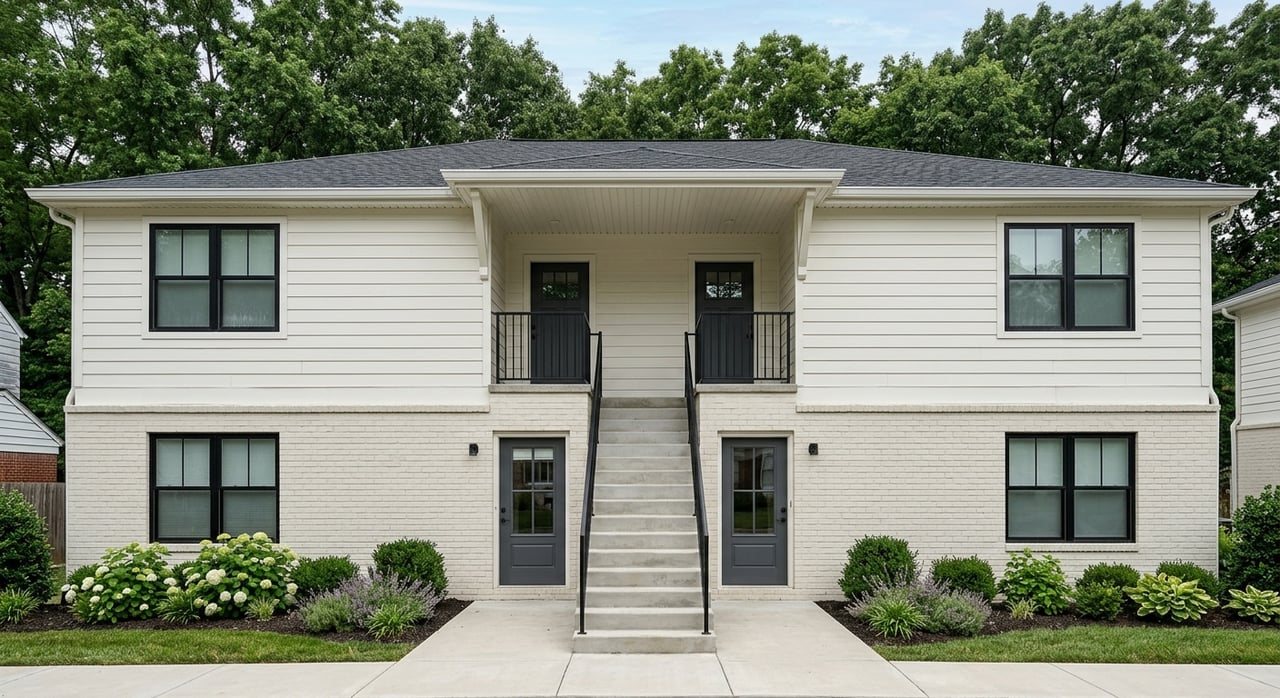
If you are thinking about buying a student rental in Chapel Hill, it helps to know this is not a typical suburban investment market. UNC shapes leasing demand, the Town of Chapel Hill shapes what you can legally do with a property, and students often judge a rental by simple, practical details more than flashy features. If you want to invest with fewer surprises, understanding those local patterns can help you choose a property that is easier to lease and easier to manage. Let’s dive in.
Why Chapel Hill student rentals work differently
Chapel Hill student rentals are closely tied to the UNC academic calendar. UNC’s housing structure is built around the academic year, and off-campus housing resources point students toward options like summer sublets, fall and spring leases, 9-month leases, and 12-month leases. That creates a leasing cycle that looks very different from a standard year-round rental property.
For many investors, the first big takeaway is that off-campus demand is not spread evenly across all student groups. UNC housing materials show that on-campus housing priority goes to degree-seeking students, and first-year students may need a waiver of the live-on requirement. In practice, that means off-campus demand is often more concentrated among upperclassmen, graduate students, and professional students.
That matters because your marketing, lease timing, and property type should match the renters most likely to be looking. In Chapel Hill, a student rental usually performs best when it fits the school-year rhythm and solves practical day-to-day needs.
Lease timing matters more than many investors expect
One of the biggest mistakes local investors can make is treating a Chapel Hill student rental like a standard long-term lease in a non-college market. UNC’s academic structure revolves around fall and spring semesters, and first-year move-in happens in mid-August. That helps explain why late summer is such an important leasing window.
Students and families often make final housing decisions well before classes begin. If your property is still being repaired, marketed, or priced incorrectly too close to that window, you can lose momentum at the exact time demand is strongest. A delayed leasing plan can turn a good property into a vacancy problem.
There can also be smaller secondary leasing activity around winter or spring starts, but the main turnover period is generally late spring through late summer. For investors, that means your renewal strategy, maintenance schedule, and listing timeline should all work backward from the academic calendar.
What this means for your leasing plan
If you own or are buying a student rental near UNC, keep these timing issues in mind:
- Start renewal conversations early
- Plan repairs well before summer turnover
- Market the property ahead of the late-summer rush
- Expect lease questions around subletting and summer gaps
- Be clear about lease start and end dates
In this market, good timing is not just helpful. It is part of the business model.
The best product is usually simple and student-friendly
UNC’s off-campus housing guide gives a clear picture of what students are told to evaluate. They are looking at rent, included utilities, security, maintenance issues, noise, walking, biking, and bus access, appliances, laundry, parking, lease dates, renewal policy, and subletting options. That list tells you a lot about what tends to lease well.
In many cases, the market rewards properties that are easy to understand and easy to live in. Apartments, condos, townhomes, and smaller homes often make more sense than larger, more management-heavy properties. If a property has complicated utility setups, limited parking, or too many maintenance points, it may create more friction for both tenants and owners.
This is one reason attached housing can be appealing for small investors in Chapel Hill. A lower-maintenance property with straightforward parking, in-unit laundry, and predictable lease logistics may be more attractive to students and easier for you to operate consistently.
Features students are likely to notice
Based on UNC’s housing guidance, renters are paying attention to:
- Monthly rent and what is included
- Utility setup and cost clarity
- Bus, bike, and walk access
- Parking availability
- Laundry access
- Appliance condition
- Maintenance responsiveness
- Noise considerations
- Renewal terms and subletting rules
For investors, that means the winning property is often the one that feels simple, functional, and low-drama.
Occupancy rules should shape your buying strategy
If you are evaluating student rentals in Chapel Hill, occupancy rules need to be part of your underwriting from day one. Chapel Hill’s Housing Choices ordinance expanded the menu of smaller-scale housing types, including single-family with an accessory apartment, single-family with a cottage, and two-, three-, and four-family attached or detached housing. But the same rules also set important occupancy limits.
Under the ordinance, multi-unit forms allow no more than four unrelated persons per unit. For a single-family house and accessory apartment on the same lot, there can be no more than four unrelated persons total between those spaces. For student-rental investors, those limits are a core part of the math.
You should not assume that adding bedrooms automatically increases legal occupancy or rental upside. In Chapel Hill, the local land-use framework can be just as important as the floor plan. A property that looks attractive on paper may underperform your expectations if the occupancy setup does not match local rules.
Why this matters during acquisition
Before you buy, it is smart to evaluate:
- The property type allowed on the site
- Whether the current layout matches permitted use
- How unrelated occupancy limits affect rent potential
- Whether an accessory apartment or cottage strategy is allowed
- Whether your income assumptions rely on a use that may not fit local rules
This is one of the clearest examples of why Chapel Hill rewards local knowledge. In this market, zoning and occupancy details are not side issues.
Parking and transit can drive demand
Many investors focus first on bedroom count, but student renters often weigh transportation just as heavily. Chapel Hill Transit operates fare-free fixed routes, has done so for more than 20 years, and reports 21 routes and more than 7 million rides per year. In practical terms, that means access to the bus network can be a major part of a property’s appeal.
For some students, a rental with strong transit access may be more useful than one with extra parking. Others still need a car, so parking count remains important. The key is that Chapel Hill renters often compare both, not just one.
That makes location analysis more nuanced than a simple distance-to-campus search. A property may lease well because it offers a workable bus commute, bike access, and enough parking to reduce roommate conflict. Those practical details can have a real effect on tenant demand and renewal likelihood.
Management systems matter in Chapel Hill
Student rentals near UNC can create steady demand, but they also require hands-on systems. UNC’s off-campus guidance flags issues like party registration, occupancy and fire-code limits, and noise control as part of local off-campus living. That tells you something important about the environment around these rentals.
In Chapel Hill, successful ownership is not just about collecting rent. You also need a plan for neighbor concerns, property rules, maintenance communication, and lease enforcement. A property that is easy to manage on paper can become difficult if expectations are not clear from the start.
This is especially important for small investors who want fewer headaches. Clear house rules, proactive maintenance, and consistent communication can help reduce common problems during the school year and turnover season.
Short-term and mid-term ideas need extra caution
Some investors look at furnished rental strategies to fill summer gaps or boost income. In Chapel Hill, you need to be careful here because the town draws an important distinction between primary-residence short-term rentals and dedicated short-term rentals. Those are not treated the same way.
According to the town’s ordinance, primary-residence short-term rentals are permitted in almost all zoning districts, while dedicated short-term rentals are limited to commercial and mixed-use districts. That means an investor considering a short-term or hybrid strategy should not assume it is allowed just because it works elsewhere.
For many local investors, the better approach is to evaluate long-term student demand first and then consider whether any seasonal flexibility truly fits the property and zoning. Chapel Hill is a market where rule awareness can protect your returns.
Chapel Hill is not just another Triangle student market
It can be tempting to compare Chapel Hill directly with other college markets in the Triangle, but that only tells part of the story. Duke reports 17,325 students for fall 2025, and NC State reports 40,503 total students. Those numbers help provide regional context, but Chapel Hill operates differently.
Chapel Hill is especially shaped by UNC’s academic calendar, campus-adjacent living patterns, fare-free transit, and local zoning rules. Compared with a larger and more dispersed market, Chapel Hill often puts more pressure on lease timing, occupancy planning, parking, and neighborhood compatibility. That makes product selection and day-to-day management especially important.
UNC also maintains dedicated off-campus housing tools and roommate-search resources, which shows that off-campus living is a well-established part of the housing ecosystem. For investors, that is encouraging. The opportunity is real, but the best results usually come from buying the right product and running it with a clear local strategy.
What smart investors should focus on
If you are looking at student rentals in Chapel Hill, the strongest opportunities are often the ones that check a few practical boxes well instead of trying to do everything at once. In this market, simple usually beats complicated.
Focus on properties that align with UNC’s leasing calendar, offer straightforward living arrangements, and fit Chapel Hill’s occupancy framework. Pay close attention to transit access, parking, maintenance needs, and lease structure. Those are the details that often shape tenant demand and owner experience.
For many small and mid-size investors, the goal is not just buying near campus. It is buying a property that is easy to explain to students, easy to market to parents, and easy to operate year after year.
If you want help evaluating a Chapel Hill student rental, comparing property types, or building a smarter acquisition plan in the Triangle, Ed Karazin offers practical investor guidance along with leasing and property-management support.
FAQs
What makes Chapel Hill student rentals different from regular rentals?
- Chapel Hill student rentals are heavily influenced by UNC’s academic calendar, local occupancy rules, transit access, and off-campus living patterns, so leasing and management often require a more specialized approach.
When is the main leasing season for Chapel Hill student rentals?
- The main leasing window is generally tied to late spring through late summer, with late-summer move-in especially important because UNC first-year move-in happens in mid-August and the academic year drives demand.
What property types often work best for Chapel Hill student renters?
- Student-friendly options often include apartments, condos, townhomes, and smaller homes that are easy to maintain, easy to understand, and practical for parking, utilities, laundry, and transit access.
How do Chapel Hill occupancy rules affect student-rental investors?
- Chapel Hill’s Housing Choices ordinance limits occupancy in certain smaller-scale housing forms to no more than four unrelated persons per unit, which can directly affect rental income assumptions and property selection.
Why does transit matter so much for Chapel Hill student housing?
- Chapel Hill Transit is fare free on fixed routes and serves a large number of riders, so many student renters value bus access almost as much as parking when choosing where to live.
Can Chapel Hill investors use student rentals as short-term rentals?
- You should review the zoning carefully because Chapel Hill treats primary-residence short-term rentals differently from dedicated short-term rentals, and dedicated short-term rentals are limited to commercial and mixed-use districts.