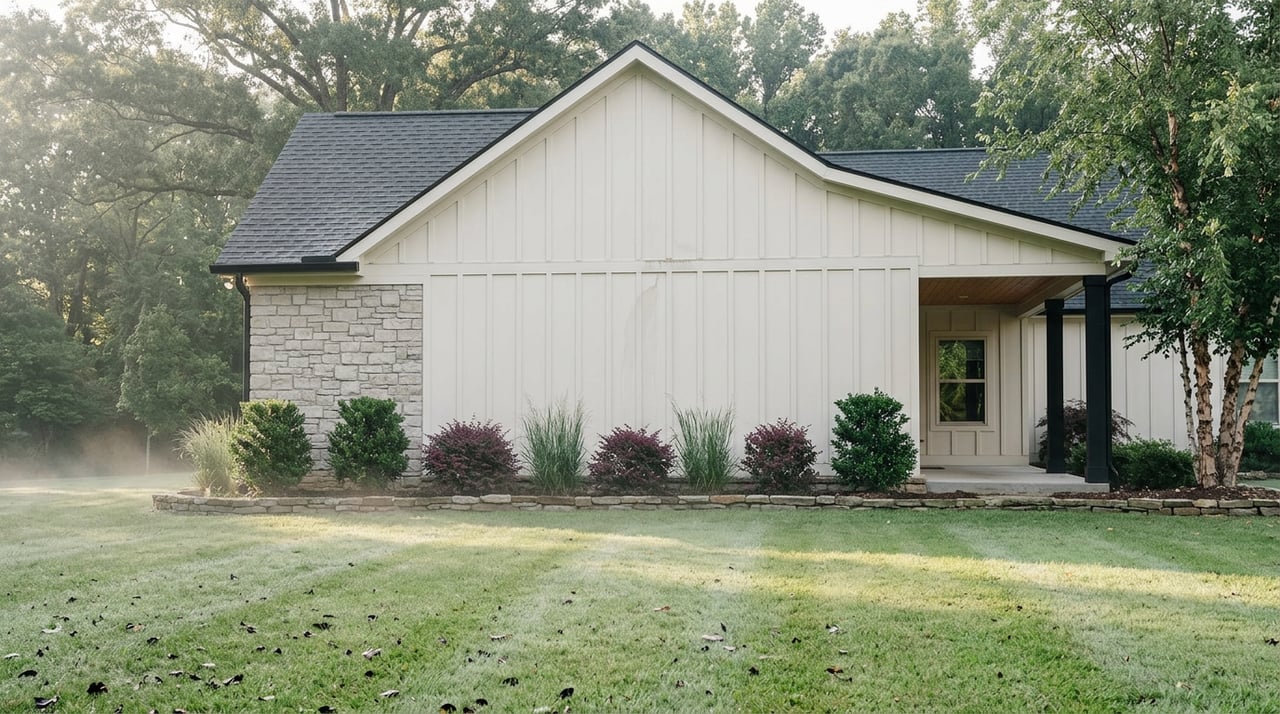
Most people picture a septic inspection as a mechanical check. Someone pumps the tank, checks for backup, tells you if the drain field is soggy. In Fuquay-Varina, that's the smaller part of the story. The document that actually controls what you can do with the house is a permit filed years ago, often before the current owner bought the place, and, as the North Carolina Real Estate Commission explains, it sets a hard limit on bedroom count that has nothing to do with what's listed on the MLS.
Buyers who treat septic and well systems as a pass-fail mechanical item tend to miss the part that can actually stall or kill a closing. The tank is a maintenance question. The permit is a legal one.
Arranging a point-of-sale inspection is up to the buyer
Wake County has roughly 40,000 private wells and even more septic systems across the county, so this isn't a fringe situation. But when a property changes hands, the county explicitly does not perform the inspection. Wake County's own guidance states plainly that point-of-sale septic inspections are not something the county provides, and directs buyers to the North Carolina Onsite Wastewater Contractor/Inspector Certification Board for a list of certified professionals who can.
That means the burden of verifying the system falls entirely on the buyer and their private inspector, not the county. A standard point-of-sale septic inspection in North Carolina runs $300 to $600 and takes roughly 90 minutes to two hours, depending on system complexity and how easy the tank is to access. None of that gets triggered automatically. Someone has to schedule it, and in a market where homes are moving fast, that step gets compressed into an already tight due diligence window.
The permit matters beyond the mechanical check
That distinction matters because North Carolina real estate rules require brokers to verify that a home's advertised bedroom count matches the capacity on file with the septic permit, and to include a copy of that permit in the MLS listing. Septic permits are written around a fixed design capacity, generally calculated at two people per bedroom, and that number can't be exceeded no matter how the house has been renovated since.
A permit written for three bedrooms doesn't stretch to four just because someone finished the bonus room and started calling it a bedroom on the listing sheet. If the county's permit on file doesn't match what's being advertised, that's not a minor paperwork gap. Buyers touring a home with an unpermitted bedroom addition should ask directly whether the septic system was ever re-evaluated for the added capacity.
Some Fuquay-Varina subdivisions add another layer. Combination systems, where a home's septic connects into a shared arrangement rather than standing entirely on its own lot, often have drain fields owned by the neighborhood's homeowners association rather than the individual property. That ownership detail matters for repairs and access if something needs to be dug up. It's worth confirming before writing an offer, not after.
One county inspection every five years, if there's a pump
Once you own the home, the state does step back in, but only for certain system types. Systems that rely on a pump, classified as Type IIIB and among the most common setups in the county, are subject to a mandatory Wake County inspection once every five years under state onsite wastewater rules. That's a recurring check, not a one-time closing formality, and it happens on the county's schedule rather than the homeowner's.
Gravity-fed systems without a pump don't get that same automatic county visit. For those, monitoring tank levels and watching for early signs of trouble is part of routine homeowner maintenance. Knowing which type you're buying changes what kind of ongoing attention the system will need after you move in, which is a different question from whether it passes inspection today.
Some of these systems are already scheduled to disappear
Here's the part that doesn't show up in a generic septic guide. Fuquay-Varina's own Public Utilities Projects page describes an active build-out of gravity sewer lines through the Southern Oaks Sewer Basin, a project designed to take the Highway 42 and Southern Oaks pump station offline entirely by routing wastewater to the Harnett County sewer interceptor. In plain terms, a specific corridor of the town is being engineered out of pump-station dependency and onto a more permanent sewer connection.
That project sits inside a much bigger water story. The town is expanding its Terrible Creek Wastewater Treatment Plant from 3 to 6 million gallons a day, with construction expected to wrap in 2027. At the same time, the FY2026 municipal budget funds construction of the Sanford Conveyance Line and a Sanford Water Filtration Expansion, part of a request the town has filed with state regulators to permanently withdraw 6.17 million gallons a day from the Cape Fear River. According to reporting from Port City Daily in January 2026, that transfer would supply enough raw water to support roughly 27,000 additional homes and businesses through 2055, and it has drawn formal opposition from the Cape Fear Public Utilities Authority over downstream water security in the Wilmington area.
None of that changes what happens at your closing table next month. What it does change is the multi-year outlook for a septic or well property depending on exactly where it sits. A home in a growth corridor already targeted for gravity sewer conversion is on a documented path toward municipal service. A home further out, away from any current project, doesn't have that same timeline attached. Two septic properties in the same town can be sitting on very different clocks, and that's a fact worth raising with a local agent who tracks these projects rather than assuming all septic homes in Fuquay-Varina are equally permanent.
What this means for your due diligence period
Before writing an offer on a septic or well property here, ask the listing agent for the recorded permit and compare its bedroom capacity against how the home is actually being marketed. Ask whether the tank has been pumped in the last two to three years, since inspectors note sludge levels and a recently serviced tank makes for a cleaner report. If it's a combination system, ask directly who owns the drain field and whether the HOA has any documented maintenance history on it.
Budget for a certified inspection early rather than treating it as a formality that happens automatically. Local companies like Brantley Septic and Holland Septic Services handle this kind of work regularly in the Fuquay-Varina area, and a certified inspector will also flag obvious red flags before you ever get to a formal report: soggy patches over the drain field, unusually green grass in one section of the yard, or sewage odor near the tank lids. With mid-2026 listings in Fuquay-Varina carrying a median price near $460,000, a stalled closing over a permit mismatch or a surprise pumping bill isn't a small inconvenience. It's real money sitting in limbo while everyone sorts out paperwork that could have been checked in week one.
FAQ
Does every home in Fuquay-Varina rely on septic and well? No. The town operates its own water and sewer system through two treatment plants, Terrible Creek and Brighton Forest, along with a share of the North Harnett Regional Wastewater Treatment Plant. Many neighborhoods inside the current service area run on municipal water and sewer. Septic and well systems are concentrated in unincorporated areas and newer developments outside the current utility footprint, which is exactly why it's worth confirming service type on any specific property rather than assuming either way.
Will my lender require a septic inspection? Ask your lender whether it requires a septic evaluation, and schedule it early rather than finding out during underwriting.
What happens if the septic permit doesn't match the bedroom count? That mismatch deserves attention before closing. It can mean the home is legally limited to fewer bedrooms than advertised, which affects both how it can be marketed and how it should be valued. In some cases a septic upgrade can bring the permit in line with the actual bedroom count, but that's a cost and timeline question to work through during due diligence, not after you own the house.
Septic and well properties aren't a reason to walk away from a Fuquay-Varina home you like. They're a reason to ask sharper questions before you're under a tight due diligence clock. If you've found a property outside the town's water service area and want a second set of eyes on the permit, the system type, or how close it sits to one of the town's active sewer expansion corridors, Edward Karazin has spent years working both sides of Wake County transactions, including the investor and landlord deals where these details tend to surface first. Reach out before you write the offer, not after the inspection report lands.
This article is general information, not legal, tax or financial advice. Consult a qualified professional about your situation.