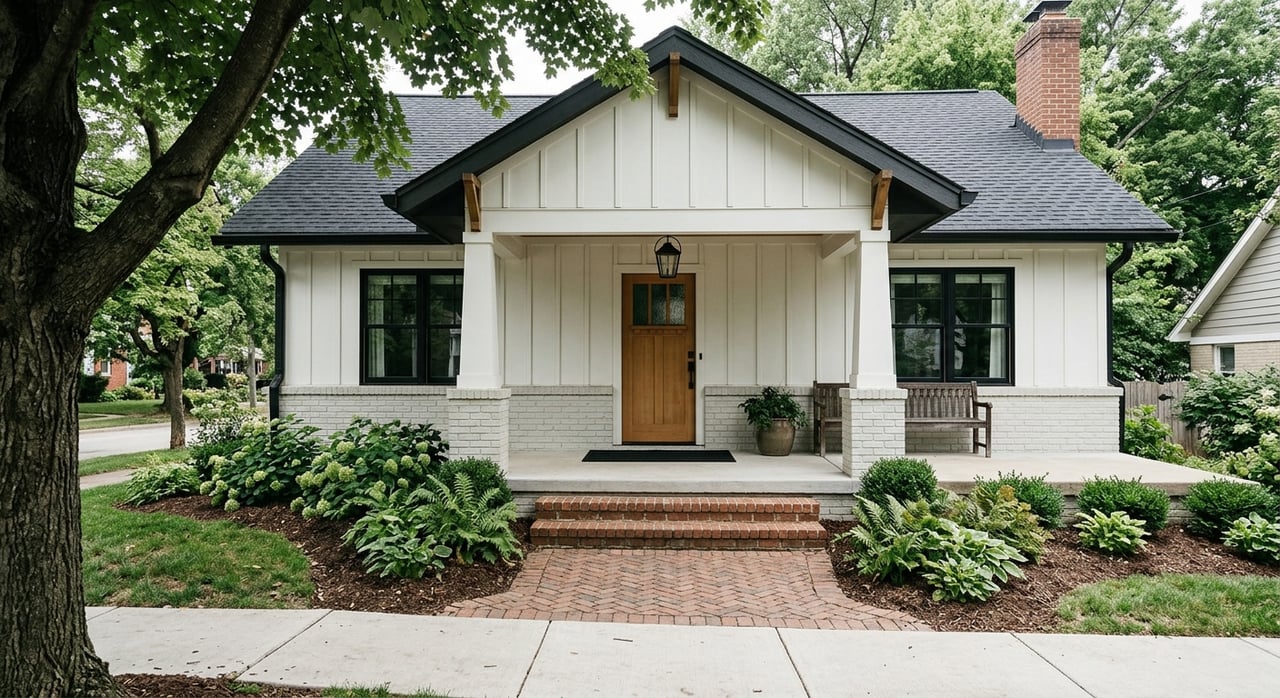
Thinking about living near Historic Downtown Apex? It can feel like the best of both worlds: a small-town setting with a more walkable daily routine than many suburban neighborhoods. If you are trying to decide whether the area fits your lifestyle, it helps to look past the charm and understand what everyday life is really like. Here is what you can expect from housing, walkability, parking, events, and the overall rhythm of close-in living in Apex.
Why Historic Downtown Apex Feels Different
Historic Downtown Apex stands out because it is not just styled to look historic. It is an official National Register Historic District with a period of significance that runs roughly from 1870 to 1950. The town highlights its railroad-town character, and the district includes residential, commercial, and institutional buildings along with landmarks like the Apex Union Depot and the old Town Hall.
That historic identity also shapes how the area is planned today. Apex uses a Small Town Character Overlay for downtown and nearby residential areas, which shows that preservation and local character are built into the planning framework. For you as a buyer, that often means a streetscape and housing environment that feels more distinct than a typical newer subdivision.
What Daily Life Looks Like
One of the biggest draws of living near downtown Apex is the ease of day-to-day living. The downtown core is compact and pedestrian-friendly, with locally owned shops, restaurants, breweries, coffee spots, and public art all woven into a relatively small area. That creates a setting where your errands and social plans can happen closer to home.
Downtown also stays active throughout the year. The town describes the area as a place to shop, dine, and play, with events that bring visitors in across the seasons. If you enjoy being near activity and a more connected street scene, that energy can be a major plus.
Local amenities nearby
A few amenities help define the lifestyle near the historic core:
- The Apex Farmers Market takes place every Saturday at Depot Plaza with seasonal hours.
- Vendors typically offer produce, meat and seafood, baked goods, prepared foods, and handmade crafts.
- The Brett Gantt Sculpture Walk places 11 sculptures in and around downtown, including areas near Town Hall Campus and Hunter Street Park.
- The Local Spot social district allows beverages from participating businesses within district boundaries daily from 11:00 a.m. to 10:00 p.m.
These details matter because they shape how the area feels on a normal weekend, not just during large events. If you want a neighborhood with visible activity and places to walk to, downtown Apex offers more of that than many outlying parts of town.
Parks, Greenways, and Outdoor Access
Living near Historic Downtown Apex does not mean giving up access to outdoor space. Apex maintains more than 13 miles of public greenway, and downtown-adjacent residents have access to several notable park options. That can add variety to your routine even if your home site is smaller than what you might find farther from the core.
Hunter Street Park is one of the closest activity hubs near downtown. It includes athletic fields, a dog park, picnic areas, a playground, and a skate plaza. Apex Community Park is a larger 160-acre park with a lake, trails, courts, and playgrounds.
For many buyers, this is an important part of the tradeoff. You may not get the same private yard space as a more suburban property, but you can gain easier access to public outdoor amenities and green space.
Housing Near Downtown Apex
If you are picturing one single home style, downtown Apex may surprise you. The town's historic district and downtown planning materials point to a more varied housing mix than you usually see in outer-ring suburban neighborhoods. Near the historic core, you can expect older detached homes, preserved historic properties, and infill opportunities.
Planning efforts also make room for attached housing forms such as townhomes and small multifamily buildings. The downtown plan recommends permitting housing and office uses throughout downtown and discusses reducing setbacks and parking requirements for townhome and multifamily development. In plain terms, the area is intended to function more like a walkable urban center than a conventional suburban strip.
What that means for buyers
If you want a home with character, you may find older properties and preserved homes that feel different from newer construction farther out. If you want lower-maintenance living close to downtown activity, attached options may also be part of your search area. The key is knowing that close-in Apex is not a one-size-fits-all housing market.
This also helps explain why the area feels visually distinct. Downtown has more than 150 contributing historic structures, and the town treats building form, setbacks, and parking differently here than in more suburban areas. That planning approach supports a denser, more walkable environment.
Walkability Versus Space
For many buyers, this is the real decision point. Living near Historic Downtown Apex is often a lifestyle choice more than a simple square-footage comparison. The upside is convenience, charm, and the ability to walk to restaurants, events, parks, and parts of your daily routine.
The tradeoff is that you may see smaller lots, attached housing, more street activity, and a tighter parking environment. That does not make one option better than the other. It simply means the downtown area tends to appeal most to buyers who value proximity and character over maximum space and uniformity.
How it compares with outlying neighborhoods
Outside the core, Apex includes many suburban land-use patterns that are more car-oriented. The town notes that many older local residential streets still lack complete sidewalk coverage, even though Apex maintains about 150 miles of sidewalks centered around downtown. So if your goal is a true walk-to-more-places lifestyle, being close to the historic core usually matters.
By contrast, buyers in outlying subdivisions should generally expect more driving as part of daily life. You may gain lot size or a more uniform neighborhood layout, but often with less immediate access to shops, dining, and civic spaces on foot.
Parking, Traffic, and Construction Realities
Downtown convenience comes with a few practical realities. Apex provides real-time parking information for four lots within a short walk of downtown, and weekday parking limits in the busiest areas generally run two to three hours. If you live nearby, that can be manageable, but it is still part of the day-to-day environment.
Events can also affect traffic flow, parking availability, and the overall pace of the area. Some buyers love that energy. Others may prefer a quieter setting farther out.
There is also an important short-term factor to keep in mind. In 2026, the Salem Street streetscape project is reshaping the main corridor to improve walkability, add gathering space, and update the streetscape. During construction, though, you should expect temporary traffic, parking, and transit changes.
Transit Options Near Downtown
If you want to reduce some car dependence, downtown Apex has a few helpful transit options. GoApex Route 1 is free to the public, and regional routes connect Apex with Cary, Raleigh, and RTP. That will not replace a car for every household, but it does give you more flexibility than many purely suburban locations.
For relocators and first-time buyers especially, that extra connectivity can make downtown-area living more practical. It adds another layer of convenience that supports the area's more walkable setup.
Who Downtown Apex Fits Best
Living near Historic Downtown Apex tends to work best if you value experience as much as square footage. If you like the idea of walking to coffee, browsing a farmers market on Saturday, enjoying public art, or being close to parks and community events, this area offers a lot to like. It can feel more connected and more active than a typical subdivision.
It may be a less natural fit if your top priority is a large lot, a quieter street scene, or a neighborhood pattern built around driving and newer, more uniform housing. Neither choice is wrong. The right fit depends on how you want your home and neighborhood to function day to day.
If you are weighing downtown Apex against other Apex neighborhoods, the smartest move is to compare lifestyle first and floor plan second. That usually leads to a better long-term decision.
If you want help comparing homes near downtown Apex with other parts of Apex, Cary, or the broader Triangle, Ed Karazin can help you sort through the tradeoffs and focus on the areas that best match your goals.
FAQs
What is it like living near Historic Downtown Apex?
- Living near Historic Downtown Apex usually means a more walkable lifestyle with easy access to shops, restaurants, parks, events, and public spaces, along with a busier street environment than many suburban neighborhoods.
What types of homes are near Historic Downtown Apex?
- Buyers near Historic Downtown Apex can expect a mix of older detached homes, preserved historic properties, infill opportunities, and some attached housing such as townhomes and small multifamily options.
Is Historic Downtown Apex walkable?
- Yes, Historic Downtown Apex is one of the more pedestrian-friendly parts of Apex, with sidewalks concentrated around downtown and a compact layout that supports walking to more daily destinations.
Are there parking limits in Downtown Apex?
- Yes, the busiest downtown parking areas generally have weekday time limits of two to three hours, and parking conditions can also change during events or construction periods.
What parks are near Historic Downtown Apex?
- Nearby options include Hunter Street Park, which has athletic fields, a dog park, picnic areas, a playground, and a skate plaza, plus Apex Community Park, a 160-acre park with a lake, trails, courts, and playgrounds.
Does Downtown Apex have transit options?
- Yes, GoApex Route 1 is free to the public, and regional transit routes connect Apex with Cary, Raleigh, and RTP.