If you are torn between a shiny new community and an older neighborhood in Holly Springs, you are not alone. Many buyers want the low-maintenance feel of newer construction but also like the character, connections, and lived-in feel of established areas. The good news is that Holly Springs offers both, and each option can work well depending on your budget, priorities, and long-term plans. Let’s dive in.
Why this choice matters in Holly Springs
Holly Springs is growing quickly, with Census population estimates rising from 48,674 in 2024 to 50,288 in 2025. It is also a strongly owner-occupied market, with an 80.6% owner-occupied housing rate and a median owner-occupied home value of $535,800 for 2020 through 2024.
That growth helps explain why you see a mix of newer master-planned communities and more established neighborhoods across town. The Town of Holly Springs Comprehensive Plan guides future land use, transportation, parks, community character, and infrastructure, while the Unified Development Ordinance sets standards for setbacks, landscaping, subdivision design, and architectural requirements.
In simple terms, newer neighborhoods often reflect today’s planning rules and growth corridors, while established areas may offer a more mature street pattern and stronger connections to everyday destinations. Neither is automatically better. The right fit depends on how you want to live.
What newer communities often offer
Newer communities in Holly Springs are often built with a more coordinated plan from the start. That can mean stronger design consistency, newer systems, and a bigger amenity package.
Communities like 12 Oaks and Honeycutt Farm show what many buyers mean when they say they want a “newer neighborhood.” These communities were planned at a large scale, with housing, open space, and shared amenities working together as part of a broader vision.
Amenities can be a major draw
At 12 Oaks, town records describe a 687.35-acre Planned Unit Development allowing up to 2,028 dwelling units. Community and club materials highlight features such as three pools, golf, clubhouse dining, fitness, a racquet club, and family-pool amenities.
Honeycutt Farm is another strong example of the newer model. The Town lists 384 single-family lots and 597 total units, and project materials say more than 40% of the site is dedicated to open space, along with a clubhouse, resort pool, fishing pond, walking trails, a refurbished barn, community gardens, and gathering areas.
If you want a neighborhood where amenities are part of daily life, newer communities often stand out. That can be especially appealing if you value recreation, shared spaces, and a more resort-style feel.
Design tends to feel more uniform
Newer communities are often more design-controlled than older neighborhoods. In Holly Springs, that reflects both town development standards and the way large planned communities are approved and built.
For example, Town Council minutes for 12 Oaks describe lot types ranging from 4,000 to 12,000 square feet, with some phases requiring larger minimum lots and others transitioning toward smaller minimums. Those same records note that lots had to meet the architectural standards of the PUD, which helps create a more consistent look across the community.
For some buyers, that consistency feels polished and predictable. For others, it can feel less individual. It comes down to your personal preference.
Newer systems may lower short-term surprises
One practical advantage of newer homes is that major components are newer too. Plumbing, electrical, HVAC, windows, and doors may come with builder warranty coverage, depending on the terms.
That does not mean you should skip inspections. It does mean you may have a clearer framework for early repairs and coverage than you would with an older home, where condition, maintenance history, seller disclosures, and inspection findings usually play a bigger role.
What established areas often offer
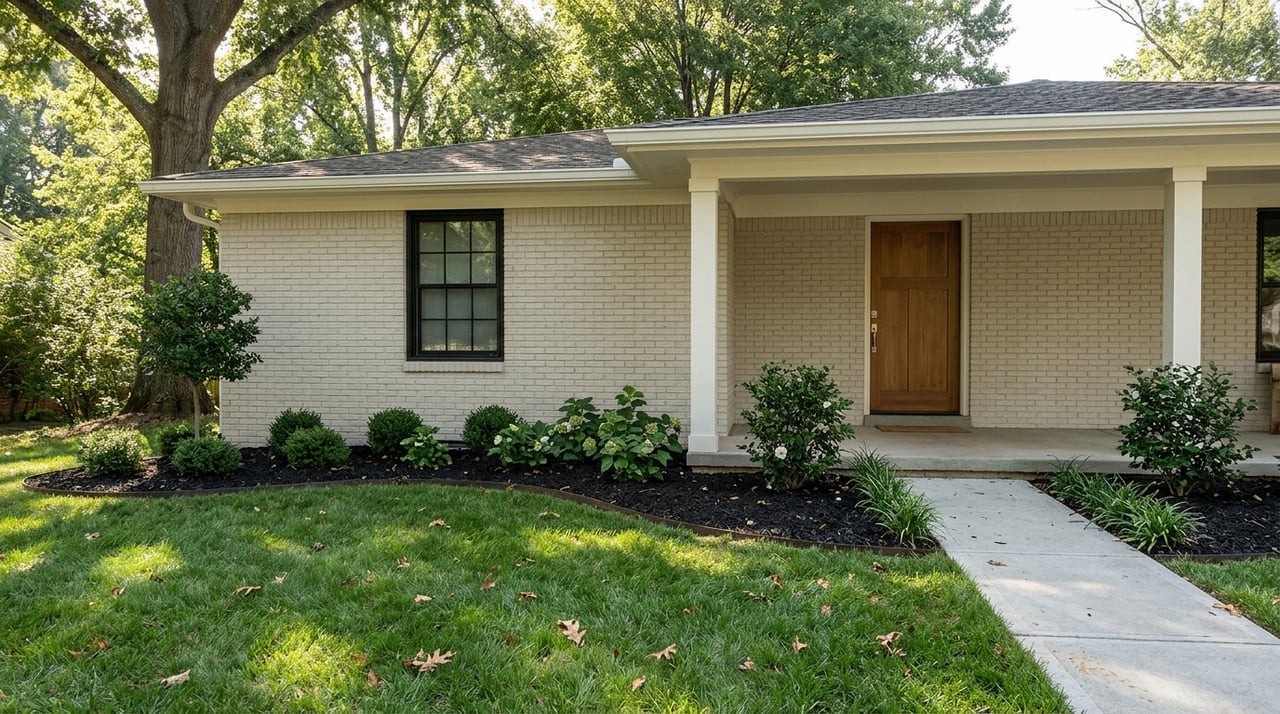
Established neighborhoods in Holly Springs can appeal to buyers who want a more settled feel. These areas may have mature landscaping, less uniform streetscapes, and stronger connections to sidewalks, greenways, and nearby daily destinations.
They also tend to reflect different building periods and multiple phases of development. That can create more visual variety from one street to the next.
Neighborhood fabric can feel more connected
Arbor Creek is a good example of an established Holly Springs neighborhood. The HOA describes it as a medium-size community of single-family homes and townhomes, with a separate sub-association for the townhome section.
The community includes three playgrounds, a large pool with a kiddie pool, and a clubhouse that owners can rent for private parties. That means established does not always mean limited amenities. In some cases, you still get useful neighborhood features, just with a different feel than a newer master-planned development.
The location context matters too. Holly Springs’ Middle Creek Greenway connects Arbor Creek, Bridgewater, Woodcreek, and Sunset Ridge North, and a Main Street sidewalk project will extend from Arbor Creek past the North Main Athletic Complex into downtown. That kind of integration can be a meaningful advantage if you want easier access to outdoor routes and town destinations.
Established homes may feel less standardized
Older neighborhoods often feel less uniform because they were built over time or under earlier planning approaches. In Holly Springs, that can mean a wider mix of home types, lot layouts, and streetscape styles within the same neighborhood.
That variety can be a plus if you want a home that feels a little less like a repeat of every house on the block. It can also mean more variation in condition, updates, and maintenance, which makes careful due diligence especially important.
Lot sizes are not as simple as buyers think
Many buyers assume newer communities always have smaller lots and older neighborhoods always have larger ones. In Holly Springs, it is not that simple.
At 12 Oaks, lot sizes have ranged from 4,000 to 12,000 square feet depending on the phase and product type. Honeycutt Farm combines single-family and multifamily lots within a plan that preserves more than 40% open space.
The Holly Springs UDO also says that when lot sizes vary, larger lots should sit near the perimeter and smaller lots closer to the center. That helps explain why newer neighborhoods can feel intentional in their layout, even when lot sizes differ a lot within the same community.
Established neighborhoods like Arbor Creek are described more broadly as private-lot communities with multiple home types rather than a single lot template. So if lot size is a top priority, it is smart to compare specific homes and sections of a neighborhood instead of relying on age alone.
HOA structure deserves a close look
Whether you buy new or established, HOA details matter. In North Carolina, planned communities generally have an owners’ association that is incorporated no later than the first lot conveyance, operates as a nonprofit corporation, collects assessments for common expenses, and manages common elements under the declaration and bylaws.
In practice, newer communities often have richer amenity packages and sometimes more layered governance. 12 Oaks and Honeycutt Farm reflect the newer end of the spectrum, while Arbor Creek shows how an established neighborhood may have a separate sub-association for townhomes.
Before you buy, review:
- Monthly, quarterly, or annual dues
- What the dues actually cover
- Reserve funding
- Any history of special assessments
- Use restrictions for amenities and property changes
- Whether amenities are HOA-owned, club-operated, or both
This step can help you avoid surprises and compare communities on a more accurate apples-to-apples basis.
Resale value depends on fit, not just age
A common question is whether a new home will hold value better than an older one. The better answer is that resale in Holly Springs is likely to depend more on the full package than on whether the home is brand new.
Lot size, amenity package, HOA cost, home condition, and location within town can all shape future buyer demand. A well-kept home in an established neighborhood can compete very well, just as a newer home with strong amenities can stand out for a different buyer pool.
If you are thinking ahead to resale, focus on features that tend to matter in any market:
- Functional floor plan
- Competitive lot and setting
- Reasonable HOA cost for the amenities offered
- Good overall condition
- Access to transportation and everyday destinations
- Clear understanding of base school assignment by address
Wake County Public School System assigns a base school based on the property address, and some schools are capped. That makes address-level verification important before you make an offer.
How to choose between new and established
If you are comparing neighborhoods in Holly Springs, it helps to move beyond the simple “new versus old” question. A better approach is to match the neighborhood to the way you actually live.
Newer communities may fit you better if you want:
- More extensive amenities
- A coordinated neighborhood design
- Newer home systems
- Builder warranty coverage, depending on terms
- A move-in-ready feel with fewer immediate update projects
Established areas may fit you better if you want:
- More mature neighborhood character
- Better integration with existing greenways or sidewalks
- Less uniform streetscapes
- A wider mix of home styles and phases
- Potentially different price and value options based on condition and updates
The key is to compare the real trade-offs. A newer home may reduce short-term maintenance, but HOA costs may be higher. An established home may offer a more connected setting, but you may need a larger repair or update budget.
A smart Holly Springs buying strategy
When clients compare Holly Springs neighborhoods, the strongest decisions usually come from side-by-side analysis. Instead of falling in love with a label like “new construction” or “established area,” compare the details that shape daily life and long-term value.
A practical review should include:
- Home age and condition
- Inspection findings
- Warranty coverage, if any
- Lot size and usable outdoor space
- HOA structure and dues
- Amenities you will actually use
- Commute routes and town access
- Address-based school assignment verification
That kind of neighborhood-level review is where local market knowledge really matters. In a fast-growing town like Holly Springs, two communities that seem similar online can feel very different once you break down the numbers, rules, and lifestyle fit.
If you want help comparing newer communities with established areas in Holly Springs, Ed Karazin can help you narrow your options, weigh trade-offs, and make a confident move.
FAQs
Are newer communities in Holly Springs always better than established neighborhoods?
- No. Newer communities often offer more amenities, newer systems, and more design consistency, while established neighborhoods may offer more mature surroundings, stronger greenway or sidewalk connections, and more variety in home styles.
Do newer homes in Holly Springs always have bigger lots?
- No. Lot sizes in newer communities can vary widely. In 12 Oaks, lot types have ranged from 4,000 to 12,000 square feet, and other newer communities may mix smaller lots with preserved open space.
What should buyers review about an HOA in Holly Springs?
- You should review dues, reserve funding, special-assessment history, use restrictions, and whether amenities are owned by the HOA, operated by a club, or both.
Are established Holly Springs neighborhoods still likely to have amenities?
- Yes. Arbor Creek, for example, includes playgrounds, a large pool with a kiddie pool, and a clubhouse, showing that established neighborhoods can still offer useful shared amenities.
Should buyers verify school assignment before making an offer in Holly Springs?
- Yes. Wake County Public School System assigns a base school by property address, and some schools are capped, so address-level verification is an important step before you buy.