If you want your Apex home to sell smoothly, prep matters more than ever. Even in a market with solid demand, buyers notice clutter, deferred maintenance, and dated finishes quickly, especially when homes are not flying off the market overnight. The good news is that the right plan can help you avoid costly missteps, present your home well, and launch with confidence. Let’s dive in.
Know the Apex market pace
Apex is a strong market, but it is not a one-size-fits-all market. Redfin’s March 2026 citywide data shows a median sale price of $630,000, about 45 days on market, and a 98.7% sale-to-list ratio. That tells you many homes are still selling close to asking price, but buyers usually have enough time to compare options and spot flaws.
That timing matters when you prepare your home. In a market that is somewhat competitive but not ultra-fast, the homes that feel clean, updated, and move-in ready often have an advantage. If your home needs work, buyers may factor that into their offers.
Start with the fixes buyers see first
Before you think about big projects, handle the visible issues that create doubt. Peeling paint, loose hardware, stained carpet, damaged trim, or worn caulk can make buyers wonder what else has been overlooked. A smooth sale often starts with removing those easy-to-spot distractions.
Zonda’s 2025 Cost vs. Value report points to exterior replacement projects as the strongest resale performers. Garage door replacement, steel entry door replacement, and manufactured stone veneer ranked among the top projects, while a minor kitchen remodel was the only interior project in the top five. For many Apex sellers, that supports a simple strategy: improve curb appeal first, then make light, high-impact interior updates.
Focus on curb appeal before big remodeling
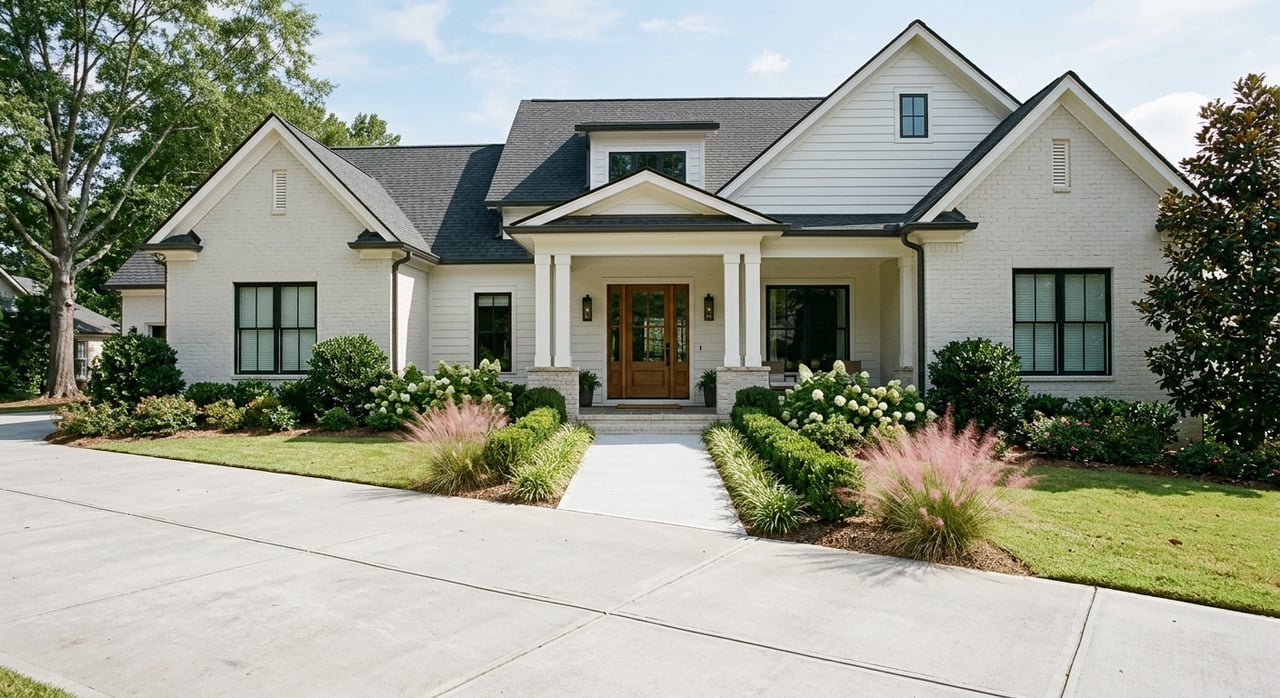
Your exterior sets the tone before buyers ever walk inside. A tidy front elevation, clean driveway, trimmed landscaping, and a welcoming entry can make your home feel better cared for from the start. That first impression carries into photos, showings, and buyer expectations.
If your budget is limited, put money into the items buyers notice right away. A refreshed front door, a clean or updated garage door, fresh mulch, pressure washing, and touch-up paint can go a long way. These changes are often more practical than starting a major remodel just before listing.
Large discretionary remodels can be risky if you are short on time or budget. If a project is not finished well, it can delay your listing and create more stress than value. In many cases, it is smarter to repair, refresh, and present the home cleanly rather than take on a full renovation.
Keep kitchen updates light and practical
Kitchens matter, but that does not mean you need a full gut remodel before selling. The research supports a minor kitchen remodel more than a major interior overhaul. That usually means making the kitchen feel clean, functional, and current, not completely reinventing it.
You may be better off focusing on painted touch-ups, updated hardware, improved lighting, deep cleaning, and clearing crowded counters. If cabinets, appliances, or surfaces are badly worn, selective updates may help. The goal is to make the space feel well maintained and easy for buyers to picture using every day.
Don’t let permit timing surprise you
Some pre-list work can affect your launch timeline more than sellers expect. According to the Town of Apex, a building permit is required for work touching structure, plumbing, mechanical, or electrical systems unless an exemption applies. The town also notes that plan review for decks, porches, additions, and similar projects can take 1 to 10 working days.
That means even a “small” project can create delays if you start too late. If you are considering repairs or updates beyond cosmetic work, check the permit requirements early. It is much easier to build that timing into your plan than to postpone photos or showings at the last minute.
Stage the rooms that matter most
You do not need to stage every room to make a strong impression. NAR’s 2025 staging research found that 83% of buyers’ agents said staging made it easier for buyers to visualize a future home. The rooms buyers’ agents said matter most were the living room, primary bedroom, and kitchen.
For most Apex listings, the smartest staging priority is the spaces buyers notice first online and in person. That usually includes:
- Entry
- Living room
- Kitchen
- Primary bedroom
- Dining room or flex space
This is especially important when homes may spend several weeks on the market. If buyers see the same listing more than once, or compare it against newer photos from competing homes, presentation can shape whether they schedule a showing or move on.
Use staging as part of pricing strategy
Staging is not just about decor. It supports your pricing strategy by helping buyers feel the home is worth the asking price. If your home is priced near the top of its likely range, a polished presentation becomes even more important.
NAR reported a median cost of $1,500 for professional staging and $500 when a seller’s agent handled staging themselves. That makes staging a budget decision as well as a marketing one. Depending on your home’s condition, layout, and target buyer, a focused staging plan may be enough to improve the listing without overinvesting.
Prepare for photos, not just showings
Many buyers will judge your home online before they ever step through the door. NAR’s staging research also found that buyers’ agents see photos, physical staging, videos, and virtual tours as important. In practical terms, that means your prep should be built around how the home will photograph.
Before photography, remove extra furniture, clear personal items, and simplify surfaces. Open blinds, replace burnt-out bulbs, and make sure each room has a clear purpose. If you have a flex room, office, loft, or bonus area, define it clearly so buyers understand how the space lives.
Build a realistic selling timeline
One of the most common mistakes is assuming you can decide to sell and be on the market in a few days. In Apex, a smoother sale usually comes from planning ahead. You may need time for repairs, permit review, staging, photography, showings, and normal market exposure.
With Apex’s citywide median of about 45 days on market, it is wise to think in weeks, not weekends. If you are also buying another home nearby, give yourself room for overlap. A same-week sale and purchase may happen, but it should not be your default plan.
A practical prep timeline often looks like this:
- 4 to 8 weeks before listing: Walk through the home, identify repairs, and decide what is worth updating
- 3 to 6 weeks before listing: Complete cosmetic work and check whether any projects need permits
- 2 to 3 weeks before listing: Deep clean, declutter, and stage key rooms
- 1 week before listing: Finish photography prep and final touch-ups
- Launch period and beyond: Stay flexible for showings and be ready for several weeks of market time
Be careful with school assignment claims
If you plan to market your home with school assignment information, accuracy matters. Wake County Public School System assigns base elementary, middle, and high schools by residential address, and the district’s lookup tool is address-specific. The district also updates assignment information when the next year’s plan is approved, typically in November.
That means neighborhood shorthand is not enough. If school assignment details are important to your sale, verify the exact property address and the relevant school year before making any statement. It is the safest and most accurate way to present the information.
Think like today’s buyer
Today’s buyers in Apex often have options, and they usually notice condition quickly. They are comparing photos, finishes, curb appeal, and visible upkeep across multiple listings. When your home feels cared for and easy to move into, you reduce friction and strengthen your position.
That does not mean you need perfection. It means you need a focused plan. Fix what stands out, improve the exterior, freshen the most important interior spaces, and allow enough time to launch properly.
A smooth sale usually comes from doing the simple things well. If you want practical guidance on what to fix, what to skip, and how to position your home for the current Apex market, Ed Karazin can help you build a smart, data-driven plan.
FAQs
What updates are most worth doing before selling a home in Apex?
- The strongest research-backed projects are exterior improvements like a garage door or steel entry door replacement, along with visible curb-appeal fixes and a light kitchen refresh.
Do you need to stage every room before listing an Apex home?
- No. The highest-priority rooms are typically the living room, primary bedroom, kitchen, and dining room or another clearly defined everyday living space.
How far in advance should you prepare your Apex home for sale?
- In many cases, you should plan for several weeks so you have time for repairs, any needed permits, staging, photography, and market exposure.
Do permit requirements matter for pre-listing work in Apex?
- Yes. If work touches structure, plumbing, mechanical, or electrical systems, the Town of Apex says a permit is required unless an exemption applies.
Can you advertise a home in a certain school zone based on the neighborhood name?
- No. Wake County school assignments are address-based, so the exact property address and school year should be verified before making that claim.