Thinking about putting down roots in Cary, NC, but want a real feel for day-to-day life with kids? You’re not alone. Families choose Cary for a blend of parks, schools, and neighborhood amenities that make routines easier and weekends fun. In this guide, you’ll see what life looks like across Cary’s main neighborhood types, from morning drop-off to evening activities, plus how commutes, HOAs, and costs fit into the picture. Let’s dive in.
Cary in the Triangle, explained
Cary sits in the heart of the Raleigh–Durham–Chapel Hill Triangle. Many residents work in tech, research, healthcare, or higher education nearby. That job base shapes commute patterns, school schedules, and demand for family housing. You feel the benefits in local amenities and parks, and the tradeoffs in peak-hour traffic and higher home prices than many North Carolina towns.
As Cary grows, you see new master-planned communities and infill near downtown. The town prioritizes parks, greenways, and transportation projects to keep up. For families, that means lots of programming and playgrounds, and a car-forward lifestyle in most areas with strategic pockets of walkability.
Four common family neighborhood types
Not every street in Cary feels the same. Here’s how the main neighborhood types compare in daily life.
Master-planned, amenity-rich communities
These areas offer modern homes, sidewalks, and on-site amenities that become part of your routine. Pools and playgrounds are central to summer life. Organized swim teams and neighborhood events help you meet other families fast.
- Typical day: bus or quick drive to school, after-school time at the community playground or pool, and a short evening walk with a stroller.
- Errands: grocery and urgent care are often a short drive away, with childcare centers nearby.
- HOA feel: amenities are a plus, and rules keep common areas tidy. Fees vary by community.
- Examples often discussed by buyers: Preston and Amberly. Treat these as styles to explore rather than a complete list.
Established suburban neighborhoods
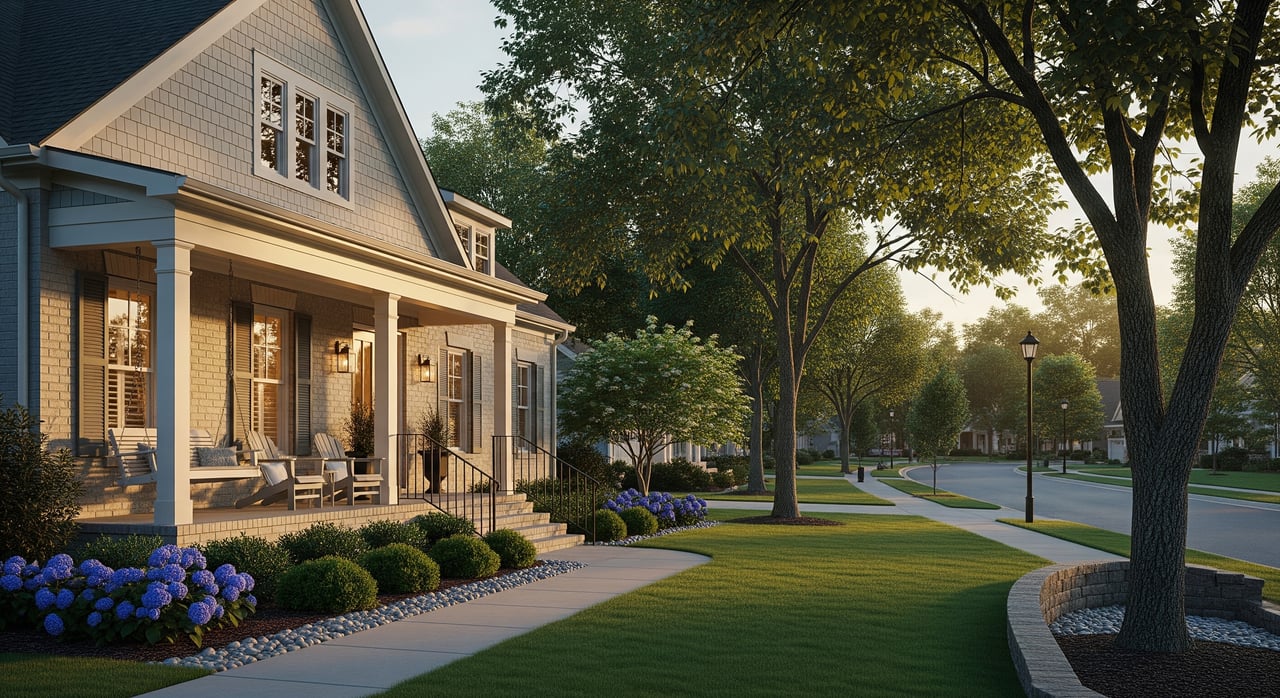
Closer to older corridors or near downtown, these neighborhoods feature mature trees, quieter streets, and traditional homes. Yards are often larger, and HOA oversight is lighter or absent.
- Typical day: morning drop-off along familiar routes, an easy stop at a local park, and a quiet backyard evening.
- Errands: supermarkets and libraries are close by. You’ll find family dentists and pediatric offices along main corridors.
- HOA feel: limited or lower-fee HOAs are common, which can offer flexibility with fewer shared amenities.
Downtown-adjacent and walkable pockets
If you value being near coffee, farmers markets, and evening events, these areas are worth a look. Lots may be smaller, and housing includes townhomes, condos, and historic cottages.
- Typical day: walk to a local café after school, then a short bike ride on nearby greenways.
- Errands: more errands by foot, with quick access to town festivals and concerts.
- Tradeoff: smaller yards and fewer on-site amenities in exchange for local walkability.
Edge and larger-lot areas
Near the town limits you’ll find larger lots and more privacy. Streets are less busy. Routine trips take longer, but you gain space for outdoor play and projects.
- Typical day: longer school drop-offs and commutes, followed by open-yard play or backyard sports.
- Errands: plan grocery runs and activities in clusters to reduce trips.
- Tradeoff: privacy and space vs. more driving for sports and lessons.
Schools, childcare, and family programs
Cary is primarily served by Wake County Public School System. Many neighborhoods feed into consistently high-performing schools compared to broader state averages. Attendance zones often guide where families choose to buy. Check current maps and school report cards before you tour, since boundaries can change.
Private and parochial options are available across town, along with Montessori and national preschool chains. Childcare capacity is a common pain point, so it helps to join waitlists early if you are relocating. Youth sports and activities are extensive, including soccer, baseball, swim teams, dance, gymnastics, tennis, and martial arts. Town programs and local associations run seasonal camps and classes that fill fast.
Parks, greenways, and everyday recreation
One big reason families choose Cary is the park system. You’ll find large multi-use parks with playgrounds and picnic areas, nature preserves with stroller-friendly boardwalks, and a network of greenways that link many neighborhoods. In summer, pools and swim lessons become weekly anchors. Public libraries offer story times and kid-focused programs.
Evenings often mean playground stops and youth practices. Weekends bring festivals, concerts, and birthday parties at park shelters. The amphitheater and arts venues host events that fit a wide range of ages.
Commute and mobility for families
Cary’s car-first pattern shapes school and work routines. Many adults commute to RTP, Raleigh, or Durham, and peak-hour congestion can build on main corridors. Some newer neighborhoods were planned to shorten RTP commutes, but your drive time still depends on location and time of day.
Local bus service and microtransit operate within Cary, and regional providers connect the town to the broader Triangle. These options are useful for specific routes, but most families plan for daily driving. Greenways help with short trips, bus-stop walks, and weekend rides, while major arterials can limit bike commuting.
When you evaluate a neighborhood, test the exact route you’ll use for drop-off and pickup at the times you’ll travel. Drive to your after-school activities and see how long those legs take during peak windows.
Housing styles, HOAs, and practical costs
Cary offers a broad mix. You’ll see newer single-family homes and townhomes in planned communities, traditional ranches and two-story homes in older areas, and smaller townhomes or condos closer to downtown. Many newer subdivisions have HOAs that maintain pools, greenways, and common areas. Older neighborhoods often have minimal or no HOA.
Home prices reflect Cary’s desirability and proximity to jobs, which means costs are higher than many North Carolina towns. Families often weigh price against school zoning, commute time, and amenity access. Property taxes include Wake County and Town of Cary rates, and utilities can vary by address. Water and sewer service is often provided by the town, and electricity is commonly supplied by regional providers.
If you plan to own for several years, neighborhoods with stable amenities and strong school zones often show resilient resale trends. New construction areas can appreciate quickly, though supply shifts and build-out pace can change the feel of a community over time.
Safety, healthcare, and essential services
Cary is often perceived as having lower violent-crime rates than many peer communities. Always review current crime maps and talk to local authorities for the most accurate picture of specific areas. For healthcare, you’ll find pediatricians and urgent care clinics in and around town, with hospital and specialty care accessible across the Triangle through major health systems.
Family services are easy to reach along central corridors, including dental and orthodontic offices, therapy providers, and community supports. Many parents plan appointments around school schedules and commute routes to keep weekdays smooth.
Community life, events, and social networks
Community life in Cary follows a family-friendly rhythm. Town festivals, concerts, and farmers markets give you frequent weekend plans. Recreation centers and arts venues offer classes and seasonal programs. Libraries create easy touchpoints for younger kids.
Neighborhood social life often grows from school friendships, sports teams, religious communities, and HOA events. In newer subdivisions, pool seasons and playground meetups build quick connections. In older areas, front porches, block get-togethers, and park meet-ups do the same.
Two “day in the life” snapshots
A master-planned community day: You walk the kids to the bus stop on sidewalks that weave through the neighborhood. After work, you head to the community pool where neighbors gather. Dinner is followed by a quick scooter ride around the block and a meet-up at the playground.
An established neighborhood day: You drive a short loop for school drop-off, swing by a nearby grocery, then work from home with a lunch walk under mature trees. After school, you stop at a pocket park before heading to a library program. Evenings are quiet, with yard time and a simple bike ride.
How to choose your best fit
It helps to match your priorities with the neighborhood type. If on-site amenities and built-in social life matter most, start with master-planned communities. If yard size and quieter streets are your top goals, look at established or larger-lot areas. If you want to walk to coffee, markets, and events, explore downtown-adjacent pockets.
For many families, the right fit balances school zoning, commute time, price point, and everyday convenience. Touring at the times you will actually live your routine is the best way to test that balance.
What to check before you tour
- School attendance zones and recent report cards for each potential address.
- HOA rules, fees, and included amenities for newer communities.
- Drive times to work, schools, and after-school activities during peak hours.
- Walkability to parks, greenways, and libraries from your block.
- Proximity to pediatricians, urgent care, and everyday errands.
- Local crime statistics and recent town planning updates for roads and parks.
Near-term changes to watch
Fast-growing areas can see school crowding and occasional rezoning. Road projects can shift commute times during construction, then improve flow later. New retail or mixed-use development can add convenience and also change traffic patterns. On the plus side, greenway expansions continue to enhance outdoor access.
Ready to compare neighborhoods in person?
You deserve practical guidance that fits your family’s routine, budget, and long-term plans. With 500-plus closed transactions and deep knowledge of Cary’s micro-markets, we help you narrow choices quickly and negotiate with confidence. If you’re relocating, we’ll line up tours that match your school, commute, and timing needs.
Have questions about specific streets, HOAs, or school zones? Connect with Ed Karazin for a focused plan, neighborhood short list, and on-the-ground insight that saves you time.
FAQs
What makes Cary appealing for families?
- A strong mix of parks, family programming, and access to major job centers shapes stable routines and plentiful activities.
How do Cary commutes affect daily life?
- Many adults commute to RTP, Raleigh, or Durham, so peak-hour traffic can influence school drop-offs, pickups, and the timing of after-school activities.
Are there walkable areas in Cary for families?
- Downtown-adjacent pockets offer shorter walks to coffee, markets, and events, while most neighborhoods remain car-oriented for daily errands.
How are schools organized in Cary?
- Most addresses fall within Wake County Public School System zones, and families often check current attendance maps and report cards before choosing a home.
What is the HOA experience like in newer neighborhoods?
- HOAs commonly maintain pools, playgrounds, and greenways, with rules that protect shared spaces and fees that vary by community.
Are parks and greenways easy to access?
- Cary emphasizes parks and greenways, so most families can reach playgrounds, trails, and sports fields within a short drive from home.
Is Cary considered safe for kids to play outside?
- Cary is often perceived as lower in violent crime than many peer communities, but it’s smart to review current crime maps for specific neighborhoods.